

Hasan Piker tests the line between dissent and enemy aid
Premium domains for sale
Freedom Is Back In Style
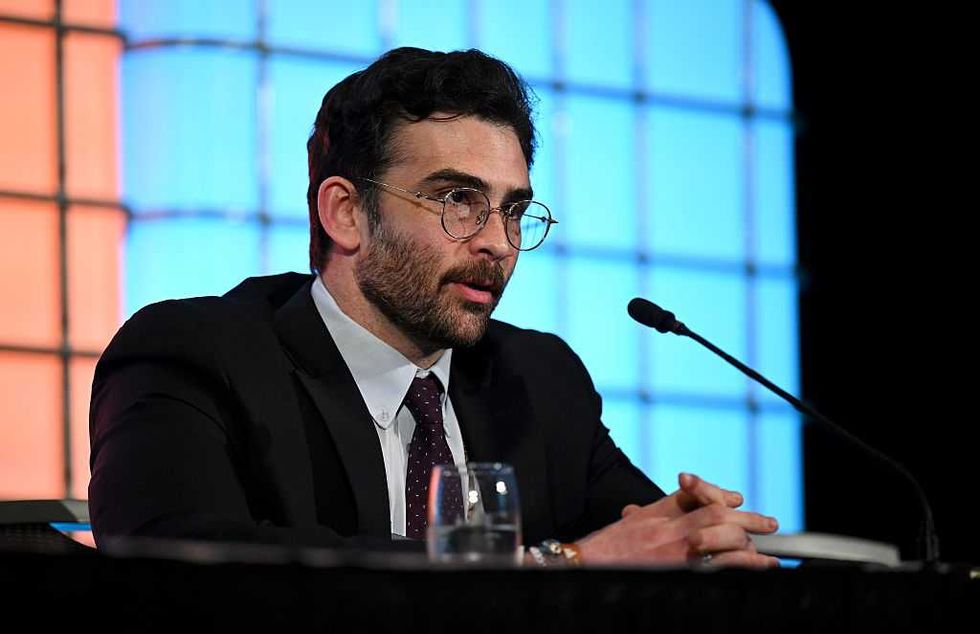
Hasan Piker has built a lucrative career denouncing the United States from inside the United States. That arrangement has always carried a certain comic hypocrisy. But his reported subpoena over a March trip to Cuba raises a question far more serious than one streamer’s revolutionary cosplay.
Freedom Is Back
In Style
Premium domains for sale
When does anti-American activism become aid to America’s enemies?
The academy may discover that Americans have grown tired of funding institutions that teach students to despise the nation that sustains them.
The latest controversy surrounding Piker is not merely another internet spectacle. It touches an old constitutional question: What limits apply when political activism moves from criticism of American policy into support for regimes hostile to the United States?
Investigators with the Treasury Department’s Office of Foreign Assets Control have reportedly subpoenaed Piker and CodePink co-founder Medea Benjamin over their March trip to Cuba as part of the “Nuestra América Convoy.” The investigation concerns possible violations of U.S. sanctions law, including the financing, coordination, and delivery of goods to the Cuban regime.
The details remain incomplete, and a subpoena obviously is not a conviction. But the story matters because it exposes a broader issue universities, politicians, and media elites have avoided for years.
What counts as “aiding America’s enemies”?
Coordination is key
According to reports, investigators seek financial, logistical, and communications records related to the trip. The inquiry reportedly centers on whether activists coordinated with Cuban government entities or violated sanctions restrictions administered through OFAC.
Piker has framed the investigation as an attempt to silence criticism of the United States and Israel. He has defended the convoy as humanitarian relief. He has also praised communist Cuba while enjoying the freedoms and opportunities of the United States. He did not, apparently, spend much time asking Cuban-Americans why they fled the island.
Cuba is not merely a tropical backdrop for revolutionary aesthetics. It remains a communist dictatorship and a longstanding U.S. adversary. American sanctions against Cuba arose from decades of geopolitical conflict, expropriation of American property, intelligence operations, and alliance with hostile foreign powers.
That is why the law treats this area seriously.
In Holder v. Humanitarian Law Project, the Supreme Court upheld restrictions on providing “material support” to designated foreign terrorist organizations, even when that support took the form of training or coordinated advocacy. The court reasoned that seemingly benign support can legitimize hostile organizations and free resources for more dangerous activities.
The key legal principle is coordination.
RELATED: Woke ‘Squad’ member appears to confess to undermining Trump embargo on Cuba 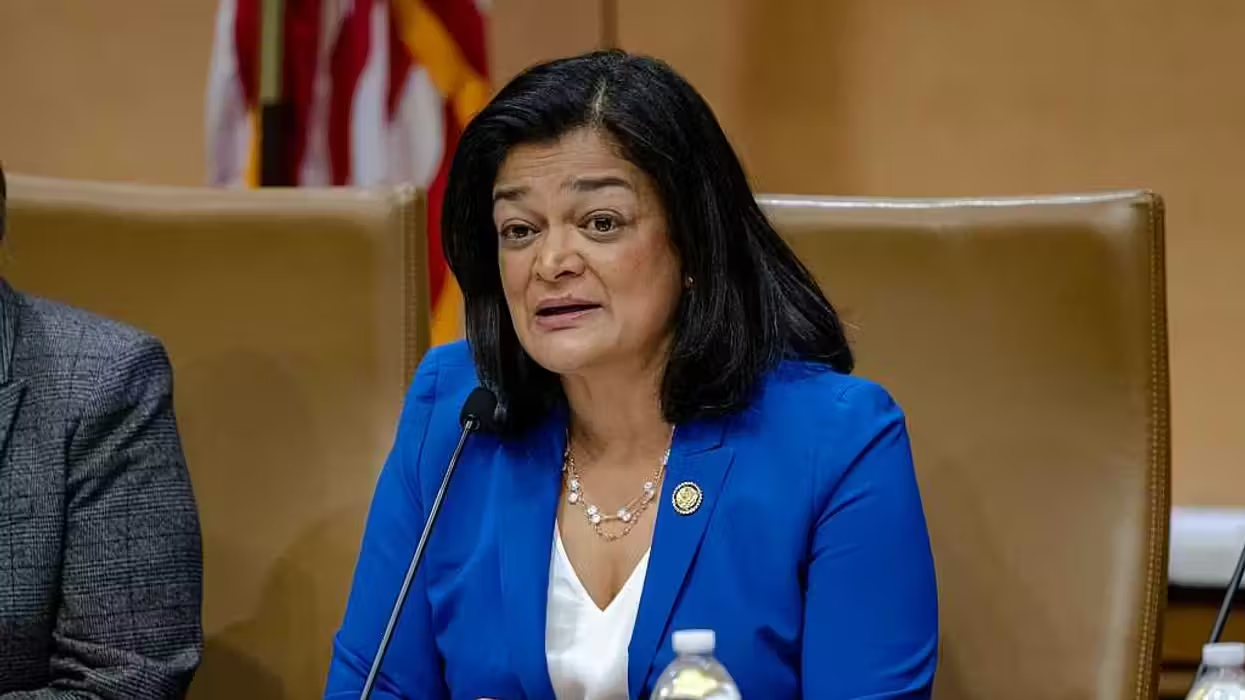 Jim Vondruska/Getty Images
Independent speech criticizing America remains constitutionally protected. Americans may denounce foreign policy, oppose wars, criticize sanctions, or defend unpopular causes. But direct coordination with hostile foreign entities belongs in a different category. Logistical support, fundraising, organized assistance, and coordinated propaganda can cross the line from protected dissent into unlawful support.
That distinction is vital. It also leads to a question much larger than Hasan Piker.
From scholarship to treason
For years, professors at publicly funded universities have argued that violence against the United States is morally justified because of colonialism, slavery, capitalism, or American support for Israel. Some have praised political violence abroad as “resistance.” Others have defended Hamas rhetoric as “decolonial struggle.” Still others have trained students to view America itself as an illegitimate regime founded on oppression.
At what point does this cease to be scholarship and become ideological assistance to America’s enemies?
The modern university loves to invoke “academic freedom” as though the phrase ends all debate. But academic freedom was never meant to shield every form of political agitation from public scrutiny. Nor does it require taxpayers to subsidize institutions that teach students to despise the constitutional order that protects them.
A professor at a public university holds a privileged position funded by taxpayers and entrusted with forming the minds of future citizens. That status does not erase his constitutional rights. But it does heighten the public’s interest in what universities reward, protect, and promote.
Can a tax-funded professor argue that Americans deserve violent retaliation? Can he encourage students to view foreign terrorist organizations as morally justified revolutionaries? Can he defend armed resistance against the United States as a legitimate response to “settler colonialism”?
Universities have spent decades pretending these questions do not exist. Many of the same institutions that warn endlessly about white supremacy tolerate faculty rhetoric that justifies violence against Americans, Israelis, and other supposed oppressors in the name of liberation.
They have built entire departments on ideological hostility to the American constitutional order. Students learn that the United States is fundamentally illegitimate, that Western Civilization is inherently oppressive, and that power — not truth or justice — determines morality. Under those assumptions, violence becomes easy to rationalize as liberation.
Campus activism has repeatedly celebrated anti-American movements abroad while denouncing America itself as uniquely evil. Faculty members increasingly blur the line between analysis and activism, between scholarship and revolutionary agitation, all from tax-funded offices under institutional protection.
RELATED: Democrats don’t have a fix for their extremism problem 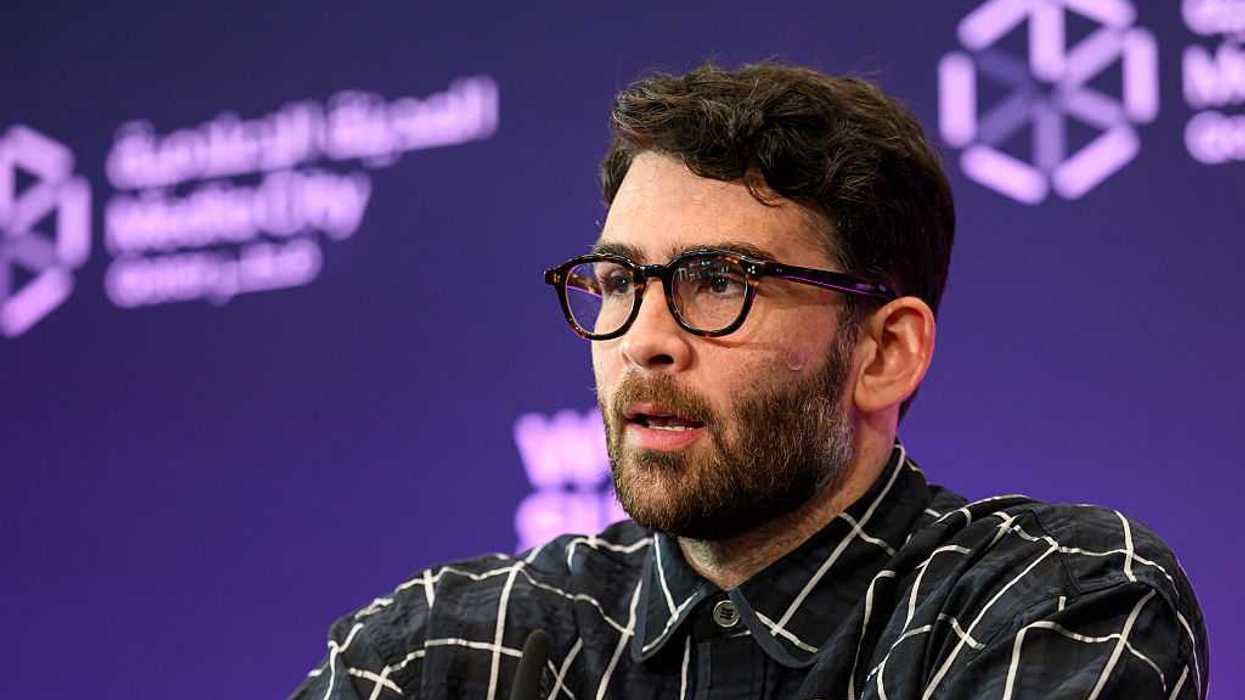 Noushad Thekkayil/NurPhoto/Getty Images
The contradiction is striking. Universities often police ordinary constitutional patriotism while tolerating rhetoric sympathetic to regimes hostile to the United States. Professors may face investigation for questioning DEI orthodoxy or praising MAGA politics, while admiration for Marxist revolutionary movements often receives the protection of “academic freedom.”
The Hasan Piker subpoena exposes this double standard.
An overdue reckoning?
The issue is not whether Americans may criticize their government. Of course they may. The First Amendment protects dissent because free societies tolerate disagreement.
But the First Amendment does not require public institutions to pretend that all forms of anti-American agitation carry the same civic meaning. A democracy may distinguish between criticism of its policies and organized sympathy for hostile regimes. It may distinguish between unpopular speech and material coordination. It may distinguish between scholarship and indoctrination.
Universities should have drawn those lines long ago.
If professors encourage students to sympathize with anti-American violence, defend revolutionary movements hostile to the United States, or justify armed resistance against the constitutional order, taxpayers may reasonably ask whether public universities are subsidizing ideological warfare against the nation itself.
For years, universities dismissed these concerns as paranoia.
Now federal subpoenas may force the country to revisit them in public.
And the academy may discover that Americans have grown tired of funding institutions that teach students to despise the nation that sustains them.
More from this network:
Domains for Sale · GOTPeople.org · TheDSAPlatform · The Truth About Socialism
What's Your Reaction?
 Like
0
Like
0
 Dislike
0
Dislike
0
 Love
0
Love
0
 Funny
0
Funny
0
 Wow
0
Wow
0
 Sad
0
Sad
0
 Angry
0
Angry
0

I am just an average American. My teen years were in the late 70s and I participated in all that that decade offered. Started working young, too young. Then I joined the Army before I graduated High School. I spent 25 years in, mostly in Infantry units. Since then I've worked in information technology positions all at small family owned companies. At this rate I'll never be a tech millionaire. When I was young I rode horses as much as I could. I do believe I should have been a cowboy. I'm getting in the saddle again by taking riding lessons and see where it goes.
Premium domains for sale











Comments (0)